|
October 2013
CNS Foundation eNews
|
|
 |
|
 |
|
The New
CNS FOUNDATION eNews, Website and Mapping Project!!!
|
|
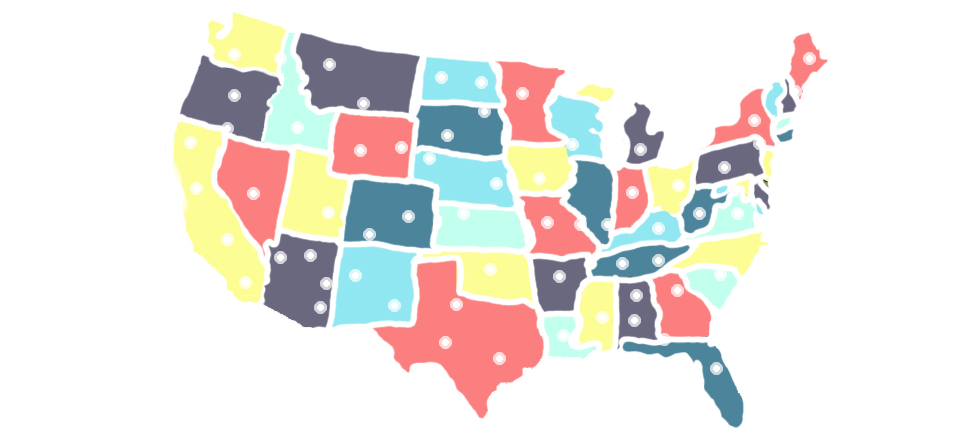
There are more than 14 million children living in the US with one of more than 600 different neurological conditions. For members of Congress and other policymakers, numbers matter. Help CNS Foundation Shine A Light On An Invisible Population!
|
|
JOIN THE MAP |
|
|
|
BLOG
|
|
Take The Tour
|
The science behind the disease along with the practical realities of raising a special needs child is complicated. For someone without a PhD, the technical and scientific jargon can be confusing, especially when we are trying to understand cutting-edge research.
So CNS Foundation began the process to redesign our website and create a resource for the people most in need of anwsers. The new and improved website has a sleeker look and easier to navigate design.
Read up on the latest scientific news in the field of pediatric neurology, visit our blog, search the disease directory, and check out the glossary of terms.
|
|
|
|
For more than a decade, CNS Foundation has brought you a regular monthly enewsletter full of the lastest scientific news from the field of pediatric neurology, introduced you to like-minded organizations, and shared personal stories of families and researchers working everyday to find treatments and cures for the more than 600 different pediatric neurological disorders.
The look and feel may have changed but our mission has not!
CNS Foundation continues to Expedite scientific research that can lead to treatments and cures for the more than 14 million children suffering from brain disorders; Provide families and health care professionals with up-to-date information and resources on the latest discoveries in pediatric neurology; and Educate the public, and public officials, on the benefits of funding pediatric neurological disorder research.
|
|
|
|
|
Latest News in Scientific Research |
|
|
|
Small brain biopsies can be used to grow large numbers of patient's own brain cells
Posted by Federation of American Societies for Experimental Biology
New research suggests that lab-grown cells express a broad array of natural and potent protective agents providing preservation and protection against injury, toxins and diseases.
A group of really brainy scientists have moved closer to growing "therapeutic" brain cells in the laboratory that can be re-integrated back into patients' brains to treat a wide range of neurological conditions. According to new research published online in The FASEB Journal, brain cells from a small biopsy can be used to grow large numbers of new personalized cells that are not only "healthy," but also possess powerful attributes to preserve and protect the brain from future injury, toxins and diseases. Scientists are hopeful that ultimately these cells could be transformed in the laboratory to yield specific cell types needed for a particular treatment, or to cross the "blood-brain barrier" by expressing specific therapeutic agents that are released directly into the brain.
READ MORE →
|
|
|
|
|
When Cells ‘Eat’ Their Own Power Plants; Pitt Scientists Solve Mystery of Basic Cellular Process
Posted by University of Pittsburgh
"I think these findings have huge implications for brain injury patients"
By discovering a mechanism by which mitochondria – tiny structures inside cells often described as "power plants" – signal that they are damaged and need to be eliminated, the Pitt team has opened the door to potential research into cures for disorders such as Parkinson’s disease that are believed to be caused by dysfunctional mitochondria in neurons.
READ MORE →
|
|
|
|
|
Researchers ferret out function of autism gene
Posted by Johns Hopkins Medicine
Findings in bacteria, yeast, mice show how flawed transport gene contributes to the condition.
Scientists say mutations in one such autism-linked gene, dubbed NHE9, which is involved in transporting substances in and out of structures within the cell, causes communication problems among brain cells that likely contribute to autism.
READ MORE →
|
|
|
|
|
Largest, most accurate list of RNA editing sites
Posted by Brown University
RNA editing has emerged as a way to diversify not just the proteome but the transcriptome overall
A research team centered at Brown University has compiled the largest and most stringently validated list of RNA editing sites in the fruit fly Drosophila melanogaster, a stalwart of biological research.
READ MORE →
|
|
|
|
|
|
|
|
|
A genetic map for complex diseases
Posted by University of Chicago Medical Center
Although heavily studied, the specific genetic causes of "complex diseases," a category of disorders which includes autism, diabetes and heart disease, are largely unknown due to byzantine genetic and environmental interactions.
The majority of human diseases are complex and caused by a combination of genetic, environmental and lifestyle factors. On the other end of the spectrum are Mendelian diseases such as cystic fibrosis and sickle-cell anemia, which are caused by abnormalities to a single gene. Some Mendelian disorders are known to predispose patients to certain complex diseases, but these co-occurrences have thus far only been studied on a small-scale basis.
READ MORE →
|
|
|
|
|
Can Mild Hypothermia Treatment Improve Neuron Survival After Traumatic Brain Injury?
Posted by Therapeutic Hypothermia and Temperature Management
Moderate reductions in body temperature can improve outcomes after a person suffers a traumatic brain injury (TBI).
The animals treated with hypothermia had significantly improved behavioral scores and a greater number of surviving neurons compared to the normothermia group. The hypothermia-treated group also had significantly reduced levels of proteins that are produced by hippocampal tissue in the brain following TBI and that have been linked to increased severity of brain injury and subsequent cognitive dysfunction and possibly central nervous system disorders.
READ MORE →
|
|
|
|
|
Gene Therapy With a Difference
Posted by New York Times
Exon-skipping technology as a viable platform to develop a treatment for Duchenne, and Duchenne families should not give up hope.
Anecdotal reports, and data from small clinical trials, have raised hopes that a new genetic technique called exon skipping may slow the progression of Duchenne muscular dystrophy, finally yielding a treatment for which parents have prayed for decades. Scientists say the technique or related ones might also point the way to treatments for other inherited diseases, including Huntington’s.
READ MORE →
|
|
|
|
|
Building the best brain: U-M researchers show how brain cell connections get cemented early in life
Posted by University of Michigan Health System
Research on synapse stabilization could aid understanding of autism, schizophrenia, intellectual disability
SIRP alpha, a protein found on the surface of various cells throughout the body, appears to play a key role in the process of cementing the most active synaptic connections between brain cells. The research, done in mouse brains, was funded by the National Institutes of Health and several foundations.The findings boost understanding of basic brain development – and may aid research on conditions like autism, schizophrenia, epilepsy and intellectual disability, all of which have some basis in abnormal synapse function.
READ MORE →
|
|
|
|
|
UC Davis researchers find how viral infection disrupts neural development in offspring, increasing risk of autism
Posted by University of California- Davis Health System
Activating a mother’s immune system during her pregnancy disrupts the development of neural cells in the brain of her offspring and damages the cells' ability to transmit signals and communicate with one another.
“This is the first evidence that neurons in the developing brain of newborn offspring are altered by maternal immune activation,” McAllister said. “Until now, very little has been known about how maternal immune activation leads to autism spectrum disorder and schizophrenia-like pathophysiology and behaviors in the offspring.”
READ MORE →
|
|
|
|
Children’s Neurobiological Solutions
1223 Wilshire Blvd., #937 · Santa Monica, CA 90403
(866) 267.5580 · (310) 889.8611 · [email protected]
|
   |
|